
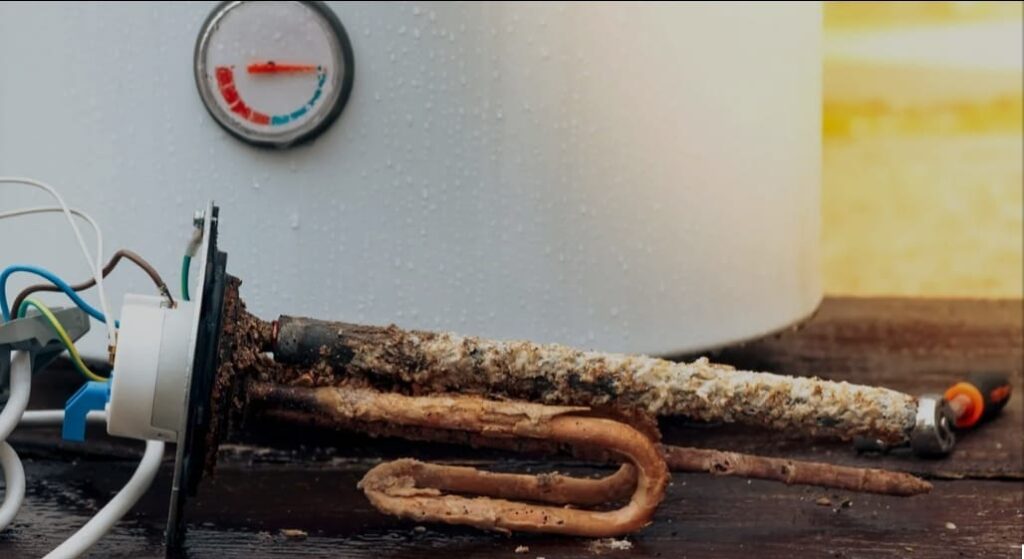
A water heater heating element is the part that actually warms the water sitting in the tank, and it is one of the most common reasons a tank water heater stops keeping up with a household. When an element wears out or gets coated in sediment, the water heater runs longer to reach the same temperature, water does not stay hot as long, and energy bills creep up. Replacing a water heater element is a job some homeowners can do themselves with basic tools, and this guide walks through the process step by step. If you would rather leave it to a professional, SFL Plumbing Services handles water heater repair, replacement, and installation throughout Fort Lauderdale and Davie.
Signs the Heating Element Needs to Be Replaced
A few patterns usually point to a worn or failing heating element. Water that is lukewarm instead of hot, a shorter supply of hot water than the tank used to provide, discolored water coming from the hot tap, or a breaker that trips when the water heater runs are all signs worth checking. Sediment buildup inside the tank is the most common cause, since it coats the element and forces it to work harder to transfer heat. A water heater that is making popping or rumbling noises is often showing the same sediment problem.
What You Need Before Starting
Most tank water heaters use a screw-in or bolt-in element, and the replacement part should match the wattage and voltage of the original. A few basic tools cover the job: a non-contact voltage tester to confirm the power is off, a garden hose for draining the tank, an element wrench or socket set, and a new gasket for the element if one is not included with the replacement part. Having a towel or small bucket on hand helps catch the water that is still in the lines when the panel comes off.
How to Replace the Heating Element Step by Step
Step 1: Turn off the power. Shut off the breaker that feeds the water heater and confirm with a voltage tester before touching any wiring. Electric water heaters carry enough current to cause serious injury, so this step should never be skipped.
Step 2: Shut off the cold water supply and drain the tank. Close the cold water inlet valve, connect a hose to the drain valve near the bottom of the tank, and run the hose to a floor drain or outside. Open a hot water tap elsewhere in the house to let air into the system so the tank drains fully. This is also a good time to flush the tank if it has not been done recently, since sediment is often the reason the element failed in the first place.
Step 3: Remove the access panel and old element. The element is usually behind a metal panel on the side of the tank, under insulation and a plastic safety guard. Pull those back, disconnect the wires from the old element, and use an element wrench to turn it counterclockwise and remove it from the tank. Expect some water left in the tank to drain out at this point.
Step 4: Install the new element. Fit a new gasket onto the replacement element, thread it into the tank, and tighten it until snug. Reconnect the wiring to match the original setup, then replace the safety guard, insulation, and access panel.
Step 5: Refill the tank and restore power. Close the drain valve, open the cold water supply, and let the tank fill completely. Check the open hot water tap in the house and leave it running until water flows steadily, which confirms the tank is full and air is out of the line. Once the tank is full, turn the breaker back on and check the new element for leaks around the gasket.
Can You Replace a Water Heater Element Yourself?
Homeowners who are comfortable working around electrical circuits and plumbing connections can often handle this repair on their own. The risk comes from working with live electrical current near water, and from a gasket or wiring connection that is not seated correctly, which can lead to leaks or a repeat failure. If the water heater is still under warranty, shows signs of tank corrosion, or the problem keeps coming back after a new element is installed, that is a sign the issue may go beyond the element itself and is worth having a plumber look at.
When to Call a Professional
A failed heating element is sometimes a symptom of a larger issue, such as a failing thermostat, a buildup of sediment that has damaged the tank lining, or wiring that needs attention. SFL Plumbing Services provides water heater repair, water heater replacement and installation, and routine water heater maintenance for homes in Fort Lauderdale and Davie. Our team can diagnose whether a new element will solve the problem or whether the water heater needs a closer look, and we offer 24/7 emergency plumbing for households that lose hot water unexpectedly.
Schedule Water Heater Service
If a water heater is not keeping up or a DIY element swap has not solved the problem, contact SFL Plumbing Services. We handle water heater repair, replacement, and installation, along with leak detection and the rest of our residential plumbing services, so your home has reliable hot water year-round.