
South Florida sits on a high water table, which means groundwater sits only a few feet below the surface across much of Davie, Fort Lauderdale, and the surrounding cities we serve. That shallow groundwater puts constant pressure on buried pipes, sewer lines, and septic systems, and it is one of the main reasons local homes run into plumbing trouble that homeowners in drier climates rarely see. Knowing what high water tables do to a plumbing system helps you spot the warning signs early and get the right repair before small issues turn into bigger ones.
What Is a High Water Table, and Why Does South Florida Have One?
A high water table means the groundwater level sits close to the ground surface instead of deep underground. South Florida's porous limestone soil, flat terrain, and heavy seasonal rainfall keep that groundwater near the surface year-round, and it rises further during the wet season and after storms. When the water table climbs, it adds pressure on underground pipes and sewer lines, which can push water and waste in directions the system was never designed to handle.
Common Plumbing Problems Caused by High Water Tables
1. Sewer Line Backups
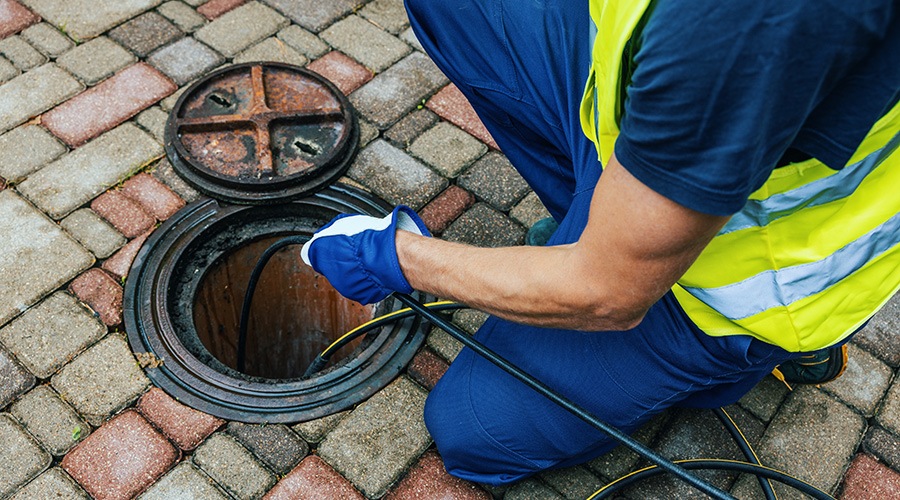
When groundwater rises around a sewer line, it can slow drainage and even push wastewater back toward the house, showing up as slow drains, gurgling toilets, or foul odors. A sewer camera inspection pinpoints where the line is struggling, and sewer line repair or hydrojetting clears blockages and restores proper flow without unnecessary digging.
2. Pipe Corrosion and Deterioration
Pipes that sit in or near saturated soil corrode faster, especially older metal lines. Corrosion shows up as reduced water pressure, discolored water, or small leaks that get worse over time. Depending on the pipe's condition, the fix is targeted pipe replacement or, for a damaged main line, main water line repair.
3. Slab Leaks
Many South Florida homes are built on concrete slabs, and shifting, saturated soil beneath the foundation can stress the pipes running under that slab. The result is a slab leak: water that escapes under the floor, often before any sign appears above ground. Leak detection equipment finds the exact location without tearing up the whole slab, and leak repair addresses it from there.
4. Septic System Strain
Homes on septic systems feel high water tables the most. Saturated soil cannot absorb wastewater the way a septic drain field needs it to, which leads to slow drains, surfacing odors, or backups inside the home. If you notice these symptoms, treat them as an emergency plumbing call rather than something to wait out.
5. Complications for New Construction Plumbing
Groundwater can flood trenches during installation on new builds, which is why new construction plumbing in a high water table area needs careful planning around pipe depth, slope, and materials from the start. Getting this right during construction prevents many of the problems above before a family ever moves in.
How These Problems Get Fixed
Most high-water-table plumbing problems respond well to the right combination of diagnosis and repair rather than guesswork. Depending on what is happening in your home, that can mean:
- Leak detection to locate a slab or underground leak precisely
- Drain cleaning and hydrojetting to clear lines under pressure from groundwater intrusion
- Sewer line repair for a line that is cracked, offset, or backing up
- Drain pipe relining to restore an aging or corroded line without a full excavation
- Main water line repair or pipe replacement where corrosion or soil movement has damaged the pipe itself
- New construction plumbing built around the realities of a high water table from day one
Because groundwater conditions in South Florida don't let up, plumbing emergencies caused by a high water table can happen at any hour, which is why having access to emergency plumbing around the clock matters as much as the repair itself.
Preventive Tips for Homeowners
- Schedule a sewer camera inspection if your home is more than a few years old
- Address slow drains or gurgling fixtures right away instead of waiting
- Watch for unexplained increases in your water bill, a common early sign of a slab leak
- Work with a plumber who understands South Florida's soil and groundwater conditions
Catching a high-water-table issue early, through leak detection or a routine drain cleaning, is almost always simpler than dealing with the damage after a backup or a slab leak goes unnoticed.
Plumbing Built for South Florida's Groundwater
Whether you're dealing with a recurring sewer backup, a suspected slab leak, or planning new construction plumbing on a lot with a high water table, SFL Plumbing Services works across Davie, Fort Lauderdale, and the surrounding communities to diagnose the cause and repair it correctly the first time.
High water tables are a permanent feature of life in South Florida, but plumbing failures don't have to be. With the right inspection, repair, and preventive maintenance, homeowners and builders can keep their systems running reliably despite the groundwater underneath them.
If you're noticing slow drains, odors, a rising water bill, or any other sign of a high-water-table plumbing problem, reach out to SFL Plumbing Services for an inspection before it turns into an emergency.