
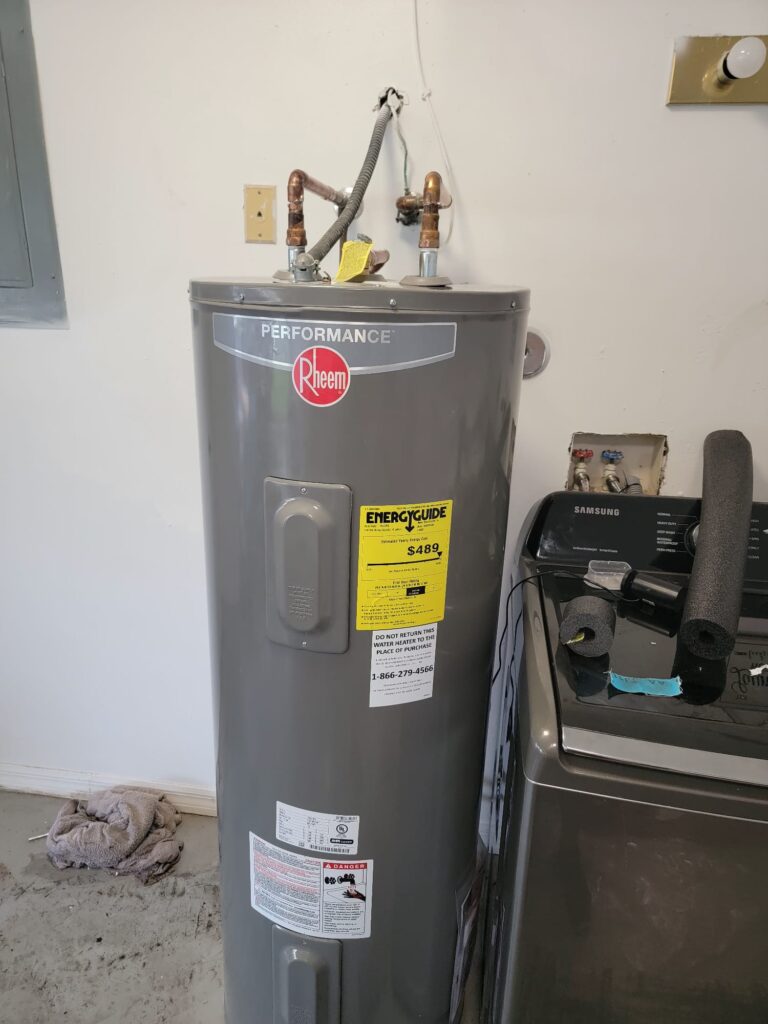
Flushing a water heater once a year to remove sediment is one of the simplest ways a South Florida homeowner can keep the tank running well and avoid an early water heater replacement. Our water supply carries calcium and magnesium that settle at the bottom of the tank over time, and that buildup is the most common reason a water heater starts running loud, running out of hot water fast, or failing before it should. If you would rather have a plumber handle it, SFL Plumbing Services performs water heater repair, replacement, and installation in Fort Lauderdale and the surrounding area, call us at 754-304-0006.
Why Sediment Builds Up in a Florida Water Heater
South Florida's water carries enough dissolved minerals that most tanks collect a layer of sediment within a year, faster in homes on well water or without a softener. Once that layer sits on the bottom of the tank, it gets between the burner or heating element and the water above it, and the unit has to work harder to reach the same temperature. Left alone long enough, it leads to the problems below.
Higher energy bills because the heater takes longer to recover between uses.
Hot water that runs out faster or never gets as hot as it used to.
Popping, rumbling, or knocking sounds coming from the tank as water boils underneath the sediment.
A shorter tank life, since sediment traps heat against the tank's metal lining and speeds up wear.
A yearly flush clears this sediment out before it causes any of the problems above, and it is one of the few maintenance tasks that actually extends the life of the unit.
Step-by-Step Guide to Flushing a Water Heater
Step 1: Turn Off the Power Supply. For electric water heaters, turn off the power at the breaker box. For gas water heaters, set the thermostat to "pilot" mode so the burner will not turn on during the flush.
Step 2: Turn Off the Cold Water Supply. Locate the cold water valve at the top of the water heater and turn it off. This stops new water from flowing into the tank while you drain it.
Step 3: Attach a Hose to the Drain Valve. Connect a garden hose to the drain valve near the bottom of the tank. Run the other end of the hose somewhere safe for hot water, such as a floor drain, the driveway, or a large bucket.
Step 4: Drain the Tank. Open the drain valve and let the water flow out. The water will be hot, so keep the hose pointed away from yourself and anyone nearby. You will likely see sediment coming out with the water, especially the first time this is done.
Step 5: Flush the Tank. Once the tank is empty, open the cold water valve for a few minutes so fresh water runs through the tank and pushes out the remaining sediment. Keep flushing until the water coming out of the hose runs clear.
Step 6: Close the Valves and Refill the Tank. Close the drain valve and remove the hose. Turn the cold water supply back on to refill the tank. Once it is full, restore power (electric) or set the thermostat back to its normal setting (gas).
Step 7: Check for Leaks. After the tank refills, check the drain valve and the other connections for drips. If everything looks dry, the water heater is back in service.
When to Call a Plumber Instead
A yearly flush is straightforward, but a few situations are better left to a plumber. If the drain valve will not open, if the tank has not been flushed in several years and you are worried about what the buildup is hiding, or if you notice rust-colored water, a leak at the tank, or a pilot light that will not stay lit, those point to a repair rather than routine maintenance. SFL Plumbing Services handles water heater repair and, when a tank is past the point of flushing it back to health, water heater replacement and installation with the same visit used to confirm the diagnosis.
What a Service Visit With SFL Plumbing Services Looks Like
A technician checks the tank's age, the condition of the drain valve and anode rod, and the water quality in your specific area before recommending a flush, a repair, or a replacement. If a flush is all that is needed, we drain and clear the tank the same way described above, then test the hot water supply before leaving. If the unit needs a new water heater installed, we size the replacement to your household's hot water use and take care of the old unit's removal. We serve Fort Lauderdale, Davie, Hollywood, Plantation, Coral Springs, and the rest of Broward County, and we offer emergency plumbing around the clock for tanks that fail without warning.
Beyond Water Heaters
Hard water and aging pipes in South Florida homes tend to show up in more than one place at a time. Along with water heater repair, replacement, and installation, SFL Plumbing Services also handles leak detection and leak repair, drain cleaning and hydrojetting, drain pipe relining, sewer line and main water line repair, pipe replacement, toilet and garbage disposal installation, and both residential and commercial plumbing, including new construction. If something else in the house is acting up while you are looking at the water heater, mention it when you call and we can take a look at the same visit.
Schedule Your Yearly Water Heater Maintenance
Flushing the tank once a year is the easiest way to keep a water heater running the way it should. If you would rather have a professional confirm everything is draining and refilling correctly, or if yours is overdue and you want it inspected first, contact SFL Plumbing Services or call 754-304-0006 to schedule a visit.